Friday, October 17, 2025

Actual White Values

Recently people on twitter pointed towards so called "White Values by Smithsonian." In these small picture Smithsonian claims to have summarised what all white people believe in. Some of these not really wrong but many others are downright wrong and opposite of what any kind of white people actually believe or practice.

Unmasking Smithsonian Values

Here I also need to add that, "White people" are not a single entity with a single set of values shared across entire NATO or OECD. Germans and Italians are very different from what they believe and practice. However, the so-called White Values by Smithsonian managed to cite certain things that pretty much entire OECD rejects. I cannot say much for the US as I have not been in America, but even in theoretically culturally close Anglophone places like Australia and UK a lot is different.

However, I can point out where these so-called Smithsonian White Values came from, Puritans. Back in the days, Puritans were expelled from England for trying to impose on society their extremely radical views no one else could agree to. 

Nonetheless Puritans found new home in what is now the US, they founded Massachusetts Bay colony and run it according to these views and values. As time went on some of them who grew to disagree with Puritan rule, splintered from them to create their own colonies of Connecticut, Rhode Island, New Hampshire and Maine. Together this area of the US is called New England. That is about 1/3 of total original colonies that later rebelled against British rule and created the United States.

Officially Puritanism have disappeared, but I always suspected that its influence lingers in the US to a certain extend. These Smithsonian White Values is a prove of that. White Values here is misnomer however, it's not White Values, it's just neo-Puritan values. Some, but not all Americans share these values. I absolutely doubt they hold true elsewhere in the world.

Actual White or Western Values

Despite being inaccurate and misleading in their nature, timing of appearance of these White Values definitely carefully calculated. World is interested in what white people believe in, and neo-Puritans decided to use it as an attempt at come back.

I will go in the same order as Smithsonian organised it.

Individualism part is correct for the most part. Individual is primary unit and has autonomy from both society as whole and any individual social groups. Any group association is voluntary, and individual may always leave group that do not work for them, and no one can stop them. The only exception is classified military work, and you will always be informed in advance if anything is classified. Marriage can be dissolved if one partner asks for it, children can leave too and does not owe anything to their parents. Self-reliance is valued and encouraged, but that does not preclude welfare and government responsibility for wellbeing of their members (welfare). 

Last part "individuals assumed to be in control of their environment" as well as "you get what you deserve" is the most dubious part here. Its poorly worded and should not be considered as part of individualism. If it's about responsibility, then people have limited control over what happens around them and will not be blamed for things they have no control of. Neither law, nor society holds people liable for things around them. Unless their job responsibilities have the "duty of care" as part of role description. Some jobs are about maintaining certain condition of the premises. These are always limited to the workplace and do not extend to everyday life or applicable off duty.


Family Structure for the most part correct. Extended families are not something most can rely on, even grandparents (parents of the couple) are detached from so called nuclear family. That said its ok to be single or childless. Number of children depends on socio-economic condition. In 18th century people will have 9 or more kids because only few will live to adulthood due to high mortality. Nowadays people have only 1 or none at all.

Wife is subordinate of husband, I wonder about that, especially now that feminism poking its nose into it. You are probably best to discuss it with the girl if she sees herself as subordinated to husband before committing to her as I doubt you can enforce it against her will.

Children are raised to be autonomous and self-reliant, own rooms and so on.


Scientific Method They listed a few oddly specific methods there, like linear thinking or quantitative emphasis. It should not be limited to just these, scientific method is more complex than that. However, things are researched and new ideas are developed, using these and other methods. Relying on past knowledge is far not enough, there is clear emphasis on development of new technologies and theories need to be developed and people who aspire to do so need to learn the scientific method of doing it. Theories are debated and tested empirically. Those that work and useful get to be implemented. 

This applies to both technology and society at large. Work and social relationships, even culture and religion can be subject of scientific enquiry and may change if research finds that old practices are not as efficient and useful and something else. Nothing is too sacred to be questioned, but some more delicate matters have to be handled equally delicately.


History Now here it even hints on Puritan origin of the Smithsonian values. History varies from country to country. History is part of each nation story of what makes them who they are. History differs from one country to another. Each country has right to its own history, centered on them and narrating why they are more cool, awesome and special compared to countries around them.

There is no emphasis on Greko-Roman or Judeo-Christian tradition, at least in history. Fields like philosophy, math or geometry do cover Greeks extensively but not history.

There is a separate scientific study of history, that is more objective and common among the white nations, but that is for professional and amateur historians. There are few taboo subjects like Nazis, but in general its open uncensored research.


Protestant Work Ethic Not all white people are protestant, and not all protestants agree on common work ethics. While hard work is praised, it's not absolute, there is also smart work, work-life balance and more. Australia has heavy emphasis on fair pay, fair working condition and fair work in general. Work should sufficiently reward the people who do it or it's not fair. Left-wing Labor party if heavily focused on this and while right-wing Liberals avoid talking about it, they have no alternative values to speak of.


Religion is where Smithsonian gets it all wrong. 

White people are multi confessional. After many years of wars between Catholics and Protestants we now agree to disagree. There are many Christian denominations who all believe in vastly different things but co-exist in the same society that also includes non-Christian believes as well as atheism. There is clear separation between religion and state. One can believe anything or nothing at all and function in society all the same. While government does not ban religion or endorse official state atheism like communists do, laws and society are secular and detached from religion.

Single or multiple gods is just as optional as anything else.

So called Judeo-Christian tradition is also irrelevant to most, but the vocal rightist minority. A lot of people embrace Buddhism and other foreign religions, and it is considered normal.


Status, Power and Authority is another completely incorrect take from Smithsonian. The section jumbles together too many unrelated things. Justice section is also covered here.

To begin with there is Rule of Law, not rule of authority figure or respect for authority. Law is above everyone, including presidents and prime ministers. Law guarantees people's right and freedoms and protects them from among other things from authority figures. Law also protects people from unlawful conduct of other citizens. There is equality before law, means no matter what status you have or how rich of poor you are, law is applied the same way and treat you the same way. Law applies equally to homeless and presidents alike.

There is no special emphasis for property rights in justice system. There are certain entitlements that comes from owning anything but there are also more responsibilities, like paying rates. Ultimately the state (the crown) remains the sovereign over land and individual's ownership of said land is closer to hold than to ownership, perpetual tenancy. Tenancy agreements transfer actual control of property to a tenant and limit what owners can do with the property.

In the same way, there is no special emphasis on entitlements in justice system.

Intend does count, but facts count to. Intentionally killing people count as one type of crime (murder) and doing so unintentionally as a different one (manslaughter). This too vary from between legal systems. For example, Russian legal system does not differentiate based on intend.


Ownership of anything does not make you especially respected or loved. There are benefits from owning things, but that is about it. In the same way there is no particular respect for wealth in the same way it works in the United States. Australian and British people think the richer you are, the more you should contribute to the state and communal property in taxes. 

Overall, these attitudes vary from country to country and from social class to social class. Richer and more affluent classes tend to value wealth more and look down of poverty while poor and working class tend to believe rich ought to contribute more and support the poor. Rich people tend to think they deserve or earned their wealth, and poor people should not lay claim to it. Poor tend to think that all should contribute towards common good and welfare, with wealthier should pay more. Both sides tend to believe what benefits them most. In the US views are more pro-rich than say elsewhere while in the West and in Scandinavia they are more pro-poor.


Not everyone measures worth in money or property one's own, this is an American concept at best. A Massachusetts one at worst.

Some people see their job as something that defines them but it's perfectly normal to see it as just means to make money.


Time Once again American do it more than others. However, work in many industries indeed is measured and paid in hours worked. Compare to that countries like Russia and Saudi Arabia pay per month without taking in account number of hours worked, giving no insensitive for taking extra hours of overtime. Thus, time is a commodity. 

Rigid schedule is optional, but most Anglophones as well as Germans value being on time. South Europe is more relaxed about it and its ok to be late there.


Holidays Some holidays are based on Christian ones, typically those that themselves are based on pre-existing pagan holidays that most no longer remember now. However, there are many other reasons for holidays, for example military commemoration and many other things that government deem worthy of reverence. 


Aesthetics is another fully absurd article. If anything, arguments about tastes are pointless. That is why white people embrace freedom of choice. 

Also, there is fashion and thing get in fashion and get out of fashion. That allows for change in aesthetics to make sure looks never become too stall, same all the time. Fashion existed since times immemorial, and one can talk of things fashionable in 12th century and contrast that with 17th century or modern times.

Plain is not better; white people did went go as far as to discover America to get access to Southeast Asian spices. In general, white culture seeks to find and appropriate more interesting and likable aspects of cultures and societies around the world. Isolationism is an exception, not a rule.

In my experience non-white people care about blonde women a lot more than white ones. The only thing everyone will possibly agree on is that slimmer and younger women are better than fat and old ones. The rest is up to individual tastes and men prefer not to argue about it. Other things like face shape, skin and hair colour are very individual. 

Man's attractiveness depends on who you ask. Women are often divided between stability a wealthy man can offer and attractiveness of physically strong and muscular one. That said muscles will not get you anywhere in man's world, they will not give you friends or favors from male colleagues.


Future Orientation for the most part is correct. Delayed gratification only works in stable economic conditions though, but it is considered positive even if does not always work in practice.

Compared to Wahhabism that glorifies first 3 generations or Chinese ancestor worship, believe in better future is prevalent among the white people. Even those who are nostalgic about past, often think that future will be better.


Competitiveness has too many unnecessary subsections. Overall competitiveness is encouraged. Excelling in things is rewarded. There are no notions about keeping social harmony by staying quiet like in some Asian cultures. If you can do something better you can speak up and if it really works, you will be rewarded. 

Winners celebrated more than just rich and respectable. Those who were poor and became rich are celebrated more than those from rich and influential families. Those who have something tangible to show, like Elon Musk with his cars and rockets, are celebrated more because of the things they created. Meanwhile rich who inherited wealth from rich parents or without clear source of wealth are questioned at best, hated at worst. They are not criminalised however.

The only exception is relationship and family life. Some outspoken strong women who did well in business struggle in dating because men seek more docile and obedient women as a wife or girlfriend. Its either what husband likes or what boss likes, hardly anyone could manage both.

Aggressiveness is not encouraged, but proactiveness could often be useful.

Action orientation and doing something about situation valued more than not doing anything about it is once again more American than generally white, especially in such maximalist terms. However more often than not people want their problems solves and will value one who can solve problems. Few will understand doing nothing when a solution is readily available. However, if you do not have solutions that will work, only Americans will appreciate just doing something even if it is pointless.


Communication values vary from nation to nation and culture to culture. Some readily talk about personal life while others find it intrusive and unacceptable. Sometimes even different areas of the same country have vastly different attitudes when it comes to that. Southern areas are typically more open and northern more closed, but there are exceptions. 

Rules are normally written. Unspoken rules are extremely rare, and most of the time no one will blame one for ignoring them. Russia is exception to that, it's a country of unspoken rules. 

Thou unspoken rules in Russia apply mostly to elites as well as mafia. Common people do not follow them. Unspoken rules are favored by elites much more than by common people. Elites like them because it lets them hide their secret dealings from public. Public on the other hand hate them and believe they should be gone as they are nothing more than excuse for elites to steal.

There are certain courtesy words and things to say as part of politeness.

Northern areas do not show emotions, see Kimi Raikkonen as example, but showing emotions more common in the south Europe.

Formal communication as well as written communication has more rigid and conservative rules compare to informal and oral ones. You can express yourself with smiles in mobile texts, but you cannot use them in documents.


Outward Orientation is something not on the list, but I would like to add it. I mentioned some in aesthetics section, but this deserves a separate section. White people value good ideas, good products and other good things no matter where they come from. That is why we explore the world and invent things. To find better things or to create them.

Rome was successful because it could copy the good ideas from people around them. Renaissance Europe prospered because they discovered New World and brought lots of good and valuable things from there back home.

In contrast inward looking and very religious Medieval Europe was poor and miserable. Rome fell soon after Christianity spread throughout it.

Prosperity came back when religion was weakened and countries got more outward looking.

Thus, white people always looking for ways to do things better and improve their lives. Sometimes these efforts get into misguided territory like current gym obsession, but more often than not they bring the chance that improves.

Conclusion

That is all I can think of, at least for now. There is probably more, but I will live it at that. 

Thursday, October 16, 2025

Countries Should Buy and Sell National Land


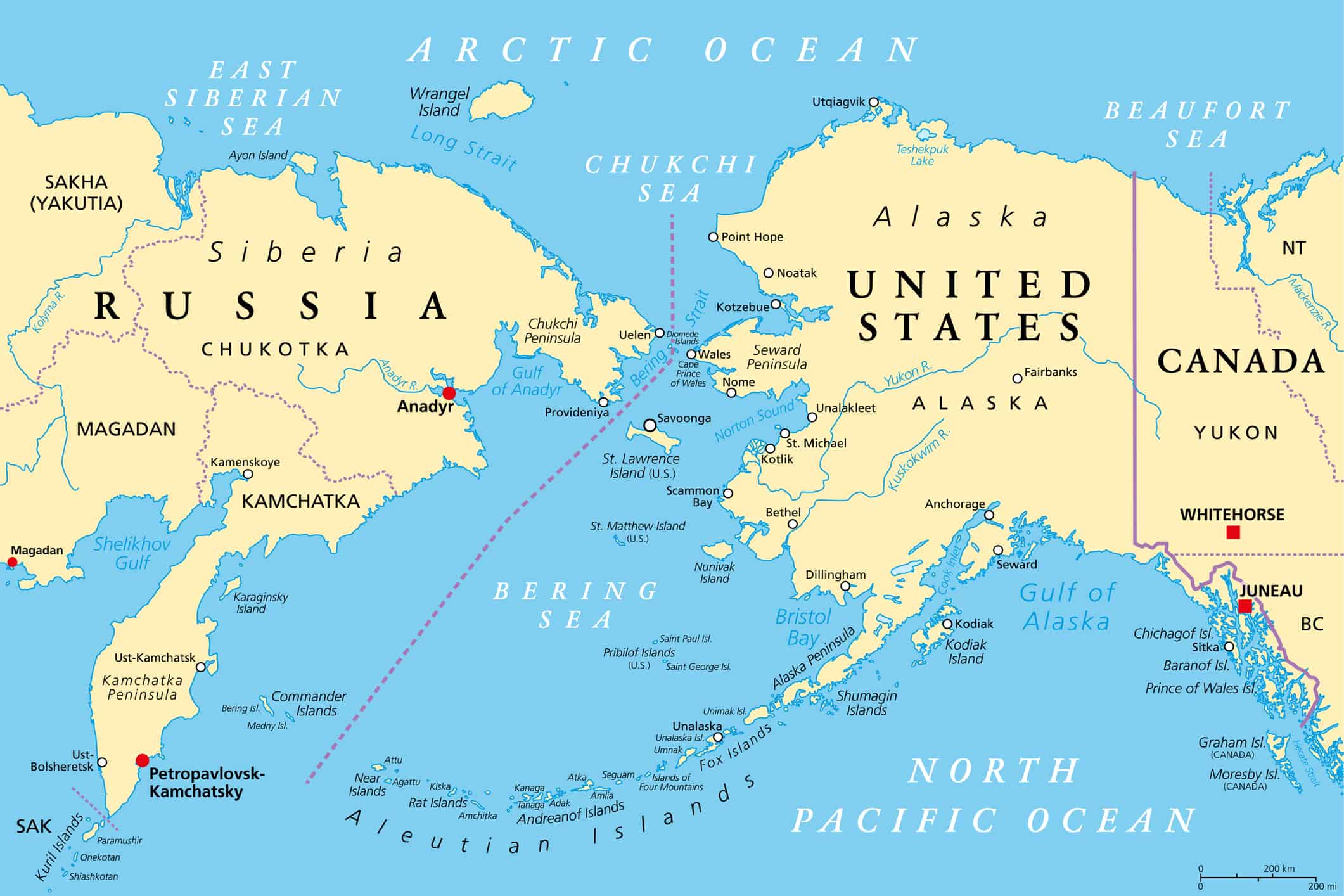
The premise is in the title. Countries should buy and sell national territory more often. For example, Russia famously sold pictured above Alaska to the United States in 19th century. It is sometimes criticised in modern times as Americans later found a lot of natural resources in the area. However, at a time of the purchase the transfer was beneficial as Russia could get something for a piece of land it did not know what to do with and the US could get more frontier to explore.

That is not the unique example either. Earlier that that in 17th and 18th century trading national territory was common. Every peace treaty diplomat will trade more land than stockbrokers will buy and sell shares on a stock market. Selling an unprofitable colony was Tuesday. Sure, it was mostly done with colonial sparsely inhabitant land, but the point stands. Seeling land was normal.

Somehow from that we went to a 20th century notion that land is sacred patrimony of this or that people, must be defended to the last drop of blood and so on. Even politicians of nations in questions, who should be able to know better, often stick to the same stubborn refusal to even consider it.

Thanks to that we are stuck with unmovable borders and extreme nationalists who claim that their nation's rightful and sacred patrimony extends into some of their neighbors, causing animosity between them.


It would not be half bad if these borders were at least half decent, but they are not. Depend on where you look, current borders raise uncomfortable question of "who on earth thought it make sense to draw border here". Yet no matter how ridiculous these borders are, there are always those who will defend them to the last drop of blood. Talking about buying or selling territory just gets dismissed out of hand. Trump's attempt to buy Greenland shows us just that. 

It leads to a situation where the only way to move borders is the war. However, it does not have to be this way. Leaders of nations could sit together and agree to a deal that will work for both sides. They could either trade land in one place for equivalent piece elsewhere or sell it for money or other valuables, like technology, even shares in valuable companies. With that the geographic obstacles with turn into business opportunities for prosperity and development. This will allow humanity to reach even greater potential and solve many geopolitical problems that plague our world.

There are plenty of historical examples of how trading land led towards better outcomes for both parties. Dutch could not make any profit on their colony of New Amsterdam and agreed to swap if for sugar producing Surinam with the British. For British New Amsterdam was valuable because it allowed them to connect their northern and southern colonies together, sparing colonials the trouble of sailing around it. Nowadays it is called New York and is one of the richest and largest cities in the world. No one would have guessed that mere 200 years ago Dutch wanted to abandon the settlement and do nothing with the area. That is one of the examples of how trading land benefitted both sides.

Thus, modern countries should start trading land too. That is much better than keep staring at each other menacingly and white countless comments on internet on how Kosovo is Serbia or Albania. I myself wrote several articles on how many borders in former USSR make no sense and should be changed. There are many other places that can benefit from that such as Balkans. Old pointless borders can give way for a new development and prosperity.


Rules of International Land Trade

To make it beneficial for all sides of the issue we should lay some groundwork rules to make sure trade is fair and does not impinge on the selling party and its citizens rights and interests in significant ways.

Every ethnicity is entitled for a country they can call their own. Such country should have at least reasonable amount of land space per person of said ethnicity to accommodate them all within their borders.

Nevertheless, they can only claim the areas they actually inhabit and use. Greenlanders, whose total population is less than average rural town, cannot call the entire huge island as their own, but they are entitled to the part of it that they currently inhabit. 

No country should completely disappear from the map of the world. Saying that country should disappear from the map of the world in its entirety puts both government of the country as well as it people into corner and leaves them no choice but to fight back. Good example is current Russian war in Ukraine. That is counterproductive. Instead, certain parts of the country can and should be traded.

An adequate compensation has to be paid for the land traded. It can be paid in land, money, company stock, commodities such as oil, gold or diamonds. The selling party has ultimate choice of compensation they wish to receive for the land they sell.

If population of the area is significant, the people should be given a vote on whether they want to change the country they live in or not.

Residents of the traded area in question should further be offered a choice of whether to keep their original citizenship or switch citizenship to that of the purchasing nation.

Finally, residents should be given enough time to sell their property and relocate to the remaining area of their nation. If number of residents wishing to move is significant, a dedicated relocation program should be organised by nations who trade lands.

To facilitate the above, a transitional period of at least 1 year should be arranged between completing of sale and actual transfer of sovereignty between nations. That will give residents enough time to move if they so wish.

A nation selling land should not be deprived of access to sea and ability to use it for shipping and such.

International community should be given an opportunity to assess the deal and voice their objections if they have any. The final deal may be adjusted or even outright blocked based on these objections.

Fundamentally decision to trade or not will rest with the two trading nations in question, but neighboring countries as well as nations with vested interest in the deal should have input in final decision as it affects them to a certain extend.

An impartial mediation by the UN or other international body can be arranged if the trade is essential for the global security and prosperity. 


Lands that Should be Traded

Lands that will leave both parties better off if they change hands are many. For example, I wrote many times that Ukraine should sell some lands to Russia as it will benefit both nations, Russia with its surplus money can brag about expanding and Ukraine can get richer by selling off unprofitable parts of the country.

To begin with parts of Ukraine that are part of Don River basin should be sold to Russia or divested to an independent Don Basin Nation, if both Russia and Ukraine could agree on creation of such nation. These areas are largely pro-Russian in political orientation. Their vested interest almost always conflicts with the rest of Ukraine as they depend on Russian Don River for shipping. Generally, their region is far too connected to Russian cities across the border, while largely disconnected from the rest of Ukraine. 

Actual border can be Vorskla-Dnipro line as river borders are defensible. Alternatively, they can go with the river basins. Most rivers in the area ultimately flow either into Dnipro or into Don, making it possible to map a gorge that divides the two river systems. Such a gorge also makes for a natural border as it's the most elevated part of the area.


Russia too has lands that are more of a trouble for everyone involved, including Russia itself. For example, Kaliningrad Oblast. Disconnected from mainland Russia and completely surrounded by Poland and Lithuania, the oblast is hard to supply as all land transportation has to go through Lithuanian territory, making life of residents and logisticians alike much harder.

For Poland and Lithuania this land is also a thorn in the side. To being with Russia hosts lots of weapons in the area and these make almost every country that border Baltic Sea nervous. There is another issue and that is shortness of the border between Poland and Lithuania, the so-called Suwalki Gap. While there is no direct border between Kaliningrad Oblast and Russia friendly Belarus, the distance between these areas is too small, putting it at risk in the event of war. Because of that all three of the Baltic nations could easily be cut of and surrounded in mere hours.

It will make life much easier for everyone is Russia will transfer sovereignty of this area to someone else, but Russia will not do so. Aside from usual stubbornness, Russia has one reason to keep control of the area. Kaliningrad is the only Russia port on the Baltic Sea that does not freezes in winter, Russia's other port, St. Petersburg is only usable in summer as Finland's Gulf freezes in winter, making Kaliningrad the only possible shipping destination.

However, the problem could be solved if Russia acquires another port in the Baltic Sea that does not freezes in winter. Certain areas in northeastern Latvia (Latgale and Vidzeme parts of Livonia) will be perfect for such purpose. Something like Salacgriva can be turned into a military base to replace Kaliningrad. Unlike Kaliningrad, these areas can be connected to Russia directly, sparing everyone the trouble of having to deal with heavy Russian railway traffic through Lithuania. Population of these areas are very low, making impact on locals very low, if locals choose to relocate to other parts of Latvia, it could easily be arranged.

Finally, such transfer could solve Latvia's non-citizens problem. During Soviet times many people from the rest of USSR have moved into what is now Latvia. These people did not spoke local Latvian language and did not bother to learn it as knowledge of Russian was enough for life in USSR. That have changed after independence as Latvian became sole official language of the country. The Russophone migrant population did not like that change and resisted either learning Latvian or moving out to somewhere in Russia. On their side Latvians refused to grant these migrants Latvian citizenship, insisting that only those who were citizen of pre-WWII Latvia and their descendants are entitled to citizenship. Ever since the Latvian society is divided into citizens and non-citizens: Latvians and so-called Latvian Russians. Some of these do assimilate and eventually acquire Latvian citizenship by naturalisation but there are significant number of those who do not. They continue to be a constant problem in the country. Russia could purchase areas with significant Latvian Russian population, solving the problem of these people. 

Since Latvia is not interested in Kaliningrad oblast and will not be able to administer it, a multilateral deal has to be arranged. EU can buy Kaliningrad off Russia while selling them parts of Latvian Livonia instead. Russia can then move some or all people of Kaliningrad to settle the Livonia instead, though some might opt to stay. Livonia will become part of Russia and Kaliningrad can become first EU territory, directly administered by the union. Latvia can be compensated by the EU with more EU funds for


Finally, there is Belarus. Belarus dictator, Lukashenka long have been a thorn in EU side. Geographically Belarus also located very inconveniently, protruding far too deep west and putting EU in danger. Belarus's geographic position could easily facilitate a deadly Russian or Chinese invasion into EU while at the same time giving Russia no real security from an invasion from the west.

Belarussian people chaff under the oppression of Lukashenka and want him gone, but he has Russian support and Russian riot police to help him stay in power. It's a truly sad state of affairs.

Geographically two major eastern European rives: Dnipro and Daugava get very close to each other in eastern Belarus. Together these rivers can create a solid and easily defensible frontier that will prevent the war between EU and Russia. The problem is that Belarus is Russian ally, giving Russia a huge bridgehead on the western side of these rivers. On the other hand, Ukraine goes much further east of Dnipro, creating a large bridgehead for potential invasion into Russia.

Solution to this problem can be in giving Russia much of east bank Ukraine. The problem there is that in northeastern oblasts there is strong anti-Russian sentiment, making it near impossible for Russia to rule there. Thus, this has to be limited to areas Russia can control, such as Kharkiv (Don basin I mentioned above). The rest of east bank should stay with Ukraine, but heavy offensive weapons should be limited to west bank only.

In exchange Russia should abandon Lukashenka and let EU replace him with democratic pro-EU government. Some border adjustments between Belarus and Russia to make borders align with the two rivers is also in order.


These three adjustments will straighten the border between EU and Russia and by extension between Western world and Eurasia. New borders, resulting from these changes will be much more defendable that current one. This will allow both sides to feel much safer knowing that a new war is unlikely and even if it happens, defenders will have a clear advantage. 

Tuesday, October 14, 2025

Truth about Stalin and Inner Working of Communist Party

It's no secret that many historical figures of the past have lots of books and narratives written about them. Some of these exacerbate things either embellishing or demonising the person in question. Yet others go further and completely misinterpret the person and their action into something that no longer resemble the person in question of the times they have lived in. Sometimes it is done due to genuine lack of understanding of person in question and other times due to desire to hide the truth. 

Stalin is one such figure. Stalin is often portrayed as paranoid homicidal tyrant that intimidated everyone around him, killing anyone he felt like and forcing others to do silly things for his amusement. Some of this narrative come from Khruschev's account, who might had reasons to twist the facts if not downright invent them. Even Supporters of Stalin tend to cite him as strong leader who ruled with iron fist.

While Holodomor, purges and atmosphere of fear indeed existed and it is reasonable to blame Soviet regime and Stalin personally for that. However, it did not happen on orders of a barking mad full of himself cinema dictator, surrounded by sycophants who could never say no to their boss. Such things and relationships only exist in cinema. Real world works differently.


Accidental Leader

Some occasionally heard the story that Lenin did not want Stalin to succeed him and cautioned the party against him. Reality is that party worked in such a way that a successor could not be nominated in such a matter at all. In fact, there could not be a successor at all.

Early communists believed and practiced collective leadership. In practice that meant that members of the party will occasionally meet to discuss and debate policy and other issues. After debate they will vote on policies, and those that could get majority in favor will become binding directives for all members of the party. Lenin called it democratic centralism. 

Back them vote was actually free and uncoerced unlike later times. Nonetheless continuous practice of this democratic centralism resulted in a situation where some had more sway over the body of party members compare to others. Oratorial skills were everything. Those who talked well could sway other party members to their side and get nearly anything voted in. Others could try but will get voted down.

Best speaker was Lenin himself. Even Trotsky acknowledged how well Lenin could convince these guys to his point of view no matter what the issue was. The real testament to Lenin's oratorial skills was an issue of NEP. Convincing die-hard fervent communists to adopt it was akin to convicting devout Christians to replace Jesus with Satan or Prophet Muhammad, yet Lenin talked them over to his side.


While Lenin was alive this system worked. Other party members not only acknowledged him but also trusted him. They thought he was some kind of genius who saw many more steps ahead than they did and could figure out a solution where no one else will know what to do. Thus, Lenin de-facto ruled the party without any formal title or any even minimal formal authority. Officially he was just an ordinary member, like the rest of them and in reality, he was much more than that.

All that worked fine when Lenin was alive, but then he died. The system did not have a mechanism to replace him with someone. Nominally the collective leadership will govern just as it did before. In reality collective leadership very soon devolved into battle royale for power.

The second most oratorically gifted after Lenin was Trotsky, but the rest of the party did not hold him in the same high esteem as they did Lenin. They saw Trotsky more as a threat then as a leader. Reason for that was Trotsky's popularity in Red Army. Trotsky was not always able to convince fellow party members of something, but he could convince soldiers to invade hell itself if he so wished. Thus, other party members feared that Trotsky will use his popularity in the army to stage a military coup and then rule as military dictator.

Because of that most of the prominent members of the party decided to unite against Trotsky. Instead of debating honestly and openly they decided to use every opportunity to attack Trotsky, hoping to eventually sway party members to fire Trotsky as commissar for war and later even expel him from the party. 

Eventually they managed to remove Trotsky not only from power but also from USSR itself. Problem solved? Not really, it only got worse. Former allies, no longer united by common threat, started to look at their former friends with suspicion. 

Next after Trotsky was Bukharin. He was popular editor of main communist newspaper Pravda and could use the paper to rally the public against his party rivals. They removed him next. Next fell Zinoviev and Kamenev, who had certain clot and sway in the party and thus could use it as power base. Eventually everyone with any modicum or power and influence was purged by the majorly rule of the average party member. The last man standing was timid, humble and unambitious guy, whom no one could possibly perceive as a threat. That man was Joseph Stalin.


Some might want to point out that Stalin was General Secretary since the beginning of the communist rule. Yes, that is true, but originally office of General Secretary was not intended to be the seat of power. It gradually evolved into one as Stalin accumulated power around him. Later leaders like Khruschev and Brezhnev did deliver their power from this office, but not as much from the formal responsibilities or powers of the office itself, but from the fact that Stalin once held it and convention and habit of communist party members associate it with power.

General Secretary is a person only in charge of party Secretariat. Party Secretariat handles various paperwork for the party, like processing membership applications, collecting membership fees, scheduling party activities, including meeting of central committee and so on. Lots of boring bureaucratic paperwork, a work for someone quiet and boring, but with good attention to details. 

Stalin was given that role almost as an insult, other Bolsheviks did not think much of him so gave him something not too important and significant. However, the job was more than it seems. As head of secretariat Stalin and his crew got to meet and interview many people who aspired to join the party.


Unlike the old guard, the newcomers saw Stalin as the boss, since he was the guy who approved their applications to join and generally spend more time with them compared to other old Bolsheviks. As old guard was busy fighting for power, the newcomers gradually became the majority of not only the party but also of central committee. As party grew bigger, holding all members meetings became impractical so Central Committee was created to replace it.

Eventually new members came to dominate the party. With that role of Stalin have dramatically increased. He became a de-facto leader of sorts, not yet on the level of unquestionable authority, but a leader, nonetheless. Since most influential members of the old guard were gone in the power struggle, there was no one left to even contest Stalin's rule.

Stalin of course was not as simple as people though he was. Underneath rather humble outer appearance was rather cunning and calculated man who survived many hardships such as Siberian exile.

During old guard infighting Stalin played it safe, by supporting moderate centrist by party standards views. That prevented ideological radicals on both left and right from targeting him, as they did not see him as being against their views. Generally, he was too small of a target for anyone to bother with and thus he was left standing when the rest knifed each other out.


Surviving at the Top

Stalin's early rule however was not all smooth and easy, it was far from unaccountable unquestionable dictator people see him now. Loyal to him new members thrusted him into power and limelight, but once their Stalin had to act and actually lead.

Stalin's first major policy was collectivisation. The idea was to replace outdated methods of agriculture with modern ones. Russian peasants still used horse driven wooden plows instead of tractors and harvested using scythes instead of harvesters and combines. Using these methods, they could only work small plots of land and produce too little surplus grain to feed the country.

Communists decided to solve that creating collective farms (kolkhoz). Peasant's land would be confiscated to create large modern size fields, and peasants themselves will be employed by a collective farm to work these fields using modern machinery provided by the state. People from cities, educated in modern methods of agriculture, will lead these collective farms. 

If they were Germans, they could have created equipment sharing system instead, where peasants could take turns using tractors and combines on their fields. However, they were not Germans, so they did much worse.


The reform was rather unpopular. Peasants did not want to share work on collective farm. Rural communities are small, so everyone knows everyone else. So, they knew who works well and who is completely useless. The richer better working peasants resisted collectivisation because it will equalise them with lazy losers who don't do squat. Poor peasants instead supported collectivisation because they could easily see it as their more hardworking neighbors doing all the actual work while everyone later shares all the spoils equally.

Government however pressed on with the reform. Government misinterpreted opposition to reform as opposition to communist values and ideals and ended up repressing a lot of hard-working successful rich peasants as kulaks, while leaving poor peasants to work in collective farms. That in itself was a recipe for disaster but add to it another problem and that will be real storm.

People appointed to run collective farms were familiar with agriculture in theory but did not have any practical experience and were often unfamiliar with areas they were assigned to. To make matters worse they were sycophants, that worshiped their superiors and looked down on peasants they were in charge of. Most of them saw peasants as selfish, greedy and backward. The kind of people who would hog up the produce and put country and production plans in danger over their petty selfish desire to not part with their harvest. On the other hand, they wanted to impress their superiors with record high harvests and potentially earn a promotion by beating rival collective farm bosses. 

With that kind of attitudes, they would frisk all the basements and barns in search of stolen produce. They will send all the grain they could find to Moscow, hoping for rewards and promotion, leaving not enough for peasants themselves to eat and plant next year. The result was a famine that took 10 million lives, Holodomor, a recognised genocide against Ukrainian people, those some Russians and Kazakhs died too. Read about it in Wikipedia.

If you ever wondered what Chernomyrdin meant when he said, "We wanted to make it better, but it turned out as always.", now you know. A lot of policies different Russian government ever attempted ended up a lot worse compared to how they envisioned it when they planned it.

As if Holodomor was not bad enough, what came afterwards was much worse.


The first meeting of Central Committee after the reality and scale of famine became apparent was terse and charged. Members demanded that those responsible for famine be prosecuted and punished, severely, by death sentence. Gravity of the situation and scale of the famine made asking less preposterous. 

Many names were floated; Stalin himself was not immune either. He got dangerously close to losing his position and status, just like many old Bolsheviks before him. However, unlike them, he would also be criminally prosecuted and then likely shot.

Ultimately Stalin narrowly survived the vote. Stalin's role as General Secretary does not make him directly responsible for agriculture, there is separate government department for that. Humbleses of his office saved him from this purge. Some argued that he announced the policy and should be held responsible, but majority chose to spare him.

That is something that profoundly affected him, as he started to think of a way to avoid another such dangerous moment.


Other was not so lucky. Central Committee instructed KGB (then called OGPU and later NKVD) to begin investigating the famine and punish all responsible. They also instructed them to go after other crimes against the government and the system to make sure that tragedy like that will not repeat itself. A year later murder of Kirov further expanded scope of KGB investigative actions. All that gave rise to what will later be called Great Purge or Great Terror.

KGB was not very familiar with judicial due process and even if they were, they chose to ignore it in favour of fast and streamlined troikas. Troikas too were assessed based on the number of people they investigated and successfully convicted. They had no proper judicial oversight, as "judge" was also a member of troika and therefore a KGB employee. Aiming to hit their targets, they look not to bring justice but to convict as many as possible as fast as possible. If they went after you, you are as good as dead or in Gulag. Technically there was court hearing, and one could argue their innocence, but since the judge was also member of the troika, he had clear insensitive to convict, ignoring all the evidence. The best one can do it to make them look stupid before they will convict you to death out of spite. Though most convictions were 20 years in Gulag as KGB realise value of prisoner labor.

Bu unleashing KGB, Central Commitee released the djinn no one could control. Gradually the entire country was plunged into the depth of fear. KGB's approach of wrongfully accusing people of various capital crimes that carried death sentence and convicting them in spite of lack of evidence made people fear them. More stupid ones feared out of control crime levels and smarter ones feared out of control KGB instead. There certainly were no 20 million something American spies, that KGB troikas successfully investigated and convicted in just a couple of odd years.


Eventually however the rate of KGB convictions started to worry the Central Committee. They figured that in practice KGB does not go after those responsible but rather jails everyone they could get their hands on. The committee demanded that someone investigate the KGB and punish out of control operatives of secret police. 

To appease the Central Commitee Stalin recommended for Yezhov to replace Yagoda as head of KGB and investigate the conduct of the latter. Central Commitee agreed. Yezhov was notably an outsider who did not worked in secret police before. Central Commitee wanted an outsider to clean up the agency they believed was a danger in itself.

Yezhov's investigation of his predecessor Yagoda resulted in latter conviction and death sentence. Central Commitee hoped that it will stop the purges, but it only made them worse. Unlike Yagoda, Yezhov went directly after old Bolsheviks as well as many members of Central Commitee. By the time of next meeting of Central Commitee, all who ever criticised Stalin, demanded removal of Yagoda as well as every old Bolshevik were long convicted and shot.

Yezhov too however fell to the same repressive KGB apparatus that Yagoda created and Yezhov later used to kill Yagoda and take his place. Most felt sign of relief as Beria was somewhat milder and not as ardent as Yezhov. The Great Purge ended with the death of the latter.


However, atmosphere of fear did not dissipate. Those who survived the Great Purge, now felt it is too risky to criticize government and the party. From an era of fight for power that preceded Stalin's rise to power, the country went to era of silence where everyone was too afraid to say anything that could even remotely be interpreted as criticism or dissent.

Arrests and convictions by KGB did not end completely. By now KGB started to see their anti-espionage investigations as a form of recruitment for their prison slave labor workforce. The work they made convicts do required constant intake of fresh prisoners to replace those who die from hardship of that work. So, arrests, fake trials and convictions have continued even during Beria, but he was more subtle than Yezhov and Yagoda were.

In their use and reliance on prisoner's slave labor, KGB was no different than SS Totenkopf. Both used prisoners to build various useful for country things, like canals. Both worked them to death. Both did not feed underperforming inmates, leading to many deaths. Overall Gulag system processed and killed more people than Nazi camps did.


Stalin personally fared relatively well and his popularity with elites and the country at large only increase. Back them no one associated Stalin with the purges the same way we do now. The reason for that is that Stalin controlled KGB informally. Party Secretariat had no direct authority over KGB, but many KGB leaders were informal friends of Stalin. Some even say that Yagoda was Stalin's friend and he did not want to see him gone but had to bow to demands from the Central Commitee to save his own neck.

Both Yagoda and Yezhov consulted with Stalin over who to prosecute, but until Stalin died, that remained a secret to everyone else. That is why Stalin eventually went from an idol and a symbol of the country to a bloody paranoid dictator in the elites and much of public image.

Stalin was a puppet master that ruled through others. Stalin instructed Yezhov to press on with the purges, dismissing his reservations over the people Stalin suggested he investigate. As Stalin encouraged Yezhov to act tougher and slay "enemies of revolution" without mercy, he simultaneously plotted with Beria to eventually throw Yezhov under the bus by blaming him for the homicidal power trip rampage that killed off most of the Central Commitee. Stalin will act through others and discard them to their death if heat from his actions will demand a sacrifice. People always blamed someone else and Stalin walked away without a scratch.

Stalin's personal demeanor and mannerism make it hard to blame him or suspect him of anything. He was humble and unambitious. That made people think he is someone they could trust in these dangerous cutthroat times when everyone else was out to get you. Stalin further contributed to this image by offering to resign as General Secretary every time something went wrong and someone blamed him. That was of course a calculated move, as immediately afterwards several of his allies in Central Commitee will take rostrum to insist that he stays. At the end Stalin will say something like: "I am but a man of the party and I do what party tells me to do. If you all insist that I should stay, then I will stay." That made people think that if there indeed were any evil people on a homicidal power trip, that was not him.


Birth Cult of Personality

Now Stalin was no longer challenged, but he was not yet renown or idolised like Lenin before him. He was but one cog in the system, important one but still replaceable in theory. What really elevated him to stardom was the war, second world war, particularly German invasion of USSR itself.


Even before German invasion there was disastrous war with Finland. However, after the Great Purge, elites were reluctant to criticize Stalin or anyone for it as they feared KGB too much. However German invasion swiftly changed that.

Beginning of Operation Barbarossa was a disaster for USSR. Pretty much every major formation, concentrated close to the border was caught off guard by Germans and forced to surrender within weeks. Fear of Germans eclipsed fear of KGB and people started voice their criticism again. 

Stalin also was a target of such criticism. Real risk of fall once again hanged over his head, first time since 1938. However, Stalin again played it smart by disappearing for a few weeks straight. That was a gamble as that might have allowed the rest of the elites to replace him with someone else. However, gamble paid off as elites once again squabbled for power and could not get anything done. By the time Stalin was back, the rest of the elites could clearly see that without him their squabbles for power will doom them all. Thus, they basically had no choice but rally behind him or die in German concentration camps.


Thus, Stalin led war efforts. War effort needed an image of a strong war time leader to give confidence to troops and intimidate the enemy. Thus, propaganda begun working on making Stalin into one. These efforts portrayed Stalin and strong, decisive and unquestionable leader who with sheer strength and will power will lead the country to victory.

Most modern depictions of Stalin heavily take from this pumped-up image of Stalin and not from what the actual man was. Even those who are critical of Stalin still repeat the same stereotypes but colour them negatively instead. For supporters he is super strong defender of the country that strikes fear in the foreign invaders. For opponents he is super strong oppressor who strikes fear among the population of the country.

These propaganda efforts eventually displaced fear of KGB with fear of Stalin. Now KGB was seen as merely an instrument at Stalin beck and call, rather than a fearsome institution full of homicidal psychos in their own right.


The final cherry on top of the mountain that Stalin gradually became were Allied Conferences. There Stalin set next to Roosevelt and Churchill, clearly signalling not only to the rest of the world but also to USSR itself, that he is one of the big three people who decide fate of the world. It will be a mistake to overlook the fact that these conferences affected his perception and standing among Soviet people and even elites. 

If before Stalin was limited to a certain role, for which he was at least theoretically accountable for as well as had theoretical limitations on his power, then after these things if not disappeared completely, clearly faded away. Stalin became a symbol, an idol an embodiment of the country itself. Questioning him was no longer holding an official accountable, it was opposing USSR and communism itself. The Cult of Personality, later dismantled by Khruschev, have begun.


Cult of Personality Era

Victory in WWII was probably the peak of Stalin's fame, influence and power. Victory in war was associated with him and that gave him near mythical status. Status that Stalin himself would constantly enhance by enhancing the importance of war and Soviet Victory in it. Dubbed Great Patriotic War, the WWII (German invasion to German surrender phase to be precise, the rest of it is just overlooked), was portrayed as an epic struggle for survival against evil homicidal invader.

War depicted not factually as a historical event, but as a traditional epic or perhaps a fictional narrative of struggle between good and evil. This perception of war shapes Russian people's mentality even nowadays. That is why Putin invokes Nazis in justifying his invasion in Ukraine. He wants people to see war in Ukraine as another battle between good and evil. Years of Soviet WWII propaganda, that people grew up on, allows him to frame war in Ukraine as Second Great Patriotic War to avoid any scrutiny over the actual realities on the battlefield.

In addition to war, Stalin also tapped into Lenin's popularity with both party elites and common people. Stalin portrayed himself as heir to Lenin's legacy and ideas, the most devout follower who better understands how to fulfil Lenin's vision than everyone else. That made criticizing Stalin as good as criticizing Lenin himself, unthinkable. A lot of propaganda imagery of post war era depicted Lenin and Stalin together, a visionary genius and his most loyal and devout student.


Before joining the communists, Stalin studied to become a priest. Now he was using some of what he learned back then to create a communist religion of sorts. Lenin were to be communist Jesus and Stalin his sole apostle. Stalin even reappropriated many Russian Orthodox Christian traditions but replaced Jesus with Lenin. Lenin's images and statues were everywhere. He was the savior of Soviet people who will lead them to brighter future. 

Even after Stalin death, this religious cult level of devotion to Lenin and his vision was the most essential element of Soviet political life. Lenin's words were treated almost as revelations from God. Advancement within the party ranks often dependent on showing zealotry, devotion and fervor in following the Lenin's vision. Lenin's writings were treated nearly as sacred as Bible or Quran; universities made it mandatory to study these texts as part of any higher education program.


However gradually euphoria of winning the war subsided and elites started to look at thing in a more sober way. By now Stalin had so much renown, no one could go openly against him. Common people could still believe in the myth, the propaganda created, but those who see him daily could see that the man himself is far from perfect. 

At the same time all this fame likely got into Stalin head, and he was increasingly more willing to flex his power on his subordinates. Stalin was also aging and was gradually less and less capable of running anything. 

For a long time, Stalin managed to stay a small target and avoid envy of the fellow party members. However, as a result of war time propaganda, this was no longer possible. His star rose far too high and some considered plotting against him.

However, removing Stalin on the Central Commitee meeting was unthinkable, like it was done with old Bolsheviks or later to Khruschev. An assassination plot was possibly the only option.


Stalin actually pre-empted that by formally resigning as General Secretary in a sudden move. I cannot read minds so I cannot be 100% certain of what any of them thought, but the move did not seem forced. Stalin honestly agreed to just step down, citing his age and desire to rest. Problem solved.

Turns out not. Even after formal retirement, Stalin's power and role have not diminished in the slightest. As I mentioned in the beginning of this article, his powers came not from formal powers and responsibilities of the office of General Secretary but from personal connections, clot and renown. Thus, resigning from his formal post only freed him from many onerous duties of the party Secretariat daily work without reducing his power over the country. 


Eventually however Stalin died. Whether he died a natural death or was murdered by KGB officers on orders of Lavrenti Beria is still debated. 

Some claimed that Stalin accidently signaled to people around him, that Beria will be purged. It was too ambiguous to say for sure, but it was enough for the latter to assume the worst and to decide to kill Stalin before Stalin could kill him. If that true it would be truly ironic: a person who manipulated people around him to act by using ambiguous hints, signals and signs to avoid direct responsibility, accidently given a wrong signal to a wrong person that killed him. A puppet master finally got entangled in his strings after pulling far too many reckless stunts with his puppets.


Dismantling of the Cult of Personality

Stalin died. At first Beria acted as if he was in charge and threatened other prominent figures within the party with his role as boss of KGB. That worked against him as the whole party has united to take him down and did so. Beria lacked subtlety of Stalin, leaving people no benefit of doubt that they have to kill him before he kills them. Beria was blamed for Stalin's death, sentenced to death and shot.

After that there was no clear favorites to either succeed Stalin or major threats to unite against. Khruschev and Malenkov agreed to divide the power among two of them, sidelined all others and afterwards Khruschev sidelined Malenkov too, becoming sole de-facto leader. At first, he was only First Secretary, a clear nod to the title Stalin once had, but later he also assumed office of Chairman of Consul of Ministers (Prime Minister). Much unlike Stalin in this regard, Khruschev was accumulating titles to show people around him who is the boss and have more formal powers to direct things.


After Stalin's death more facts emerged about the extent of his influence on the country. Khruschev and other eventually discovered all his private correspondence with Yezhov, Yagoda and many other key members of the government. From what was written there they could conclude that Stalin was far from just a bystander who just run secretariat had not input in major events of Soviet life prior to WWII. Far from it, he was the secret puppet muster who directed others how to act, while remaining in shadows himself.

Among other things, they found Yezhov letters where he expressed doubt over the repressions. In his letters to Stalin, Yezhov claimed that a lot of people he and KGB have investigated hardly did anything wrong, so he is not sure what to do with them. Stalin replied to him that he should not falter in revolutionary zeal and that he is pretty certain all these people are guilty and Yezhov should get them all convicted as fast as possible. Turned out it was not Yezhov who was on homicidal power trip, it was Stalin.


These new revelations triggered re-thinking of the role Stalin played in the Soviet governance. Khruschev and other leaders were now thinking how they should address this new reality. Eventually Khruschev decided to reveal the truth in his famous Secret Speech to at least inform the rest of the elites of reality of how Stalin was.

Elites listened silently, it was hard for them to process it as Stalin's public image was far too polished and illustrious. Some refused to believe it. Some might even doubt if that was really true and not something Khruschev made up. Even among the elites there are inner and outer circles. There is select few who a privy of many things and the mostly clueless outer majority. Outer majority was not taking it easier, making other doubt how general public will react.

Public too remained divided. Even nowadays some still refuse to believe it was Stalin's fault, though most of modern neo-Stalinists are actually pro-repression homicidal tankies. Back in the days some summarised it as "guy, they used to love like father, turned into villain overnight." Some of that lingering doubt possibly tarnished Khruschev own image, as public was not willing to trust him completely.


Nonetheless Khruschev and the elites begun de-Stalinisation. Stalin was removed from the mausoleum, where he was embalmed together with Lenin and buried behind it in what later became known as Kremlin necropolis. Stalin statues were torn down and cities named after him were renamed.

Stalin was removed as Lenin's most devout student, but the rest of cult of Lenin remained as it was designed by Stalin. As I already mentioned in previous chapter, Lenin, his thoughts and writings were central in communist orthodoxy. The only alteration Stalin's successors made it removal of Stalin from all the propaganda.


Conclusion

Stalin was a much more nuanced and cunning person that a two-bit full of himself dictator some make him out to be. He was not just another rostrum hitting Khruschev, but with actual death toll. He was rather different. 

Circumstances often pushed him towards acting the way he did. While that does not negate his crimes against humanity as well as those that were committed in USSR during his tenure, it certainly useful to know why and how all that happened.

Friday, October 3, 2025

Interview with Russian General - A War in Ukraine Satire


"Why do you believe there are nazis in Ukraine?" - Asks a journalist one of Russian generals.

This is very simple; they have weapons, and these weapons have ammunition in them. We just sent another suicidal attack wave at them to make sure, and they all got shot. There is no mistake that they have weapons and ammunition for these weapons. That is what gives away that they are Nazis. Since there is no way actual Ukrainians will have any weapons, much less any ammunition in them, the only logical conclusion is that these are not Ukrainians but Nazis in disguise.

We did a few false flag operations in certain locations I cannot talk about, because it's a military secret, so we know a false flag operation when we see it. We do not just blindly trust anything, because smart people always doubt everything. Just look at their level of organisation, discipline, combat ability. They kill wave after wave of suicidal charges without even breaking a sweat. It's just like it was on the Eastern Front during WWII. There is no mistake about it. No one but Nazis could fight that good.

Ukrainians are our brothers, and we know them better than anyone. They are lazy, greedy and selfish. The moment they get anything they could sell for profit; they will do it in a flash. They would sell all their weapons to African warlords, like Robert Kony and then spend all that money on Maldives holidays and Maybach Mercedeses. We in Russia do it too, but we will not sell more than 70%, maximum 80%, of all weapons. If we sell any more the world will stop seeing us as a serious superpower, so we envy Ukrainians who can sell it all. Finally, when Ukrainians will run out of money, they will go to EU to beg for some more, then to us if EU will not give them any. Remember how Yanukovych did it just in 2013. That is Ukrainians for you.

But these people we are fighting are nothing like that. They fight back with tenacity and resilience. Even civilians oppose us, armed civilians of Kyiv, Chernihiv and Sumy oblasts drove out entire armies out in little more than 40 days. Can you believe Ukrainians could do something like that. Of course not, they must be something else entirely. That is why it's important for us to defeat them and then interrogate them until they confess what they did to actual Ukrainians.


Feeling that there is no way to break through such a conspiracy theory wall of delusion, journalist askes another question. - "Suppose there are Nazis in Ukraine, why Russia had to get involved?" - Asked the journalist.

Ukrainians are brothers to Russians so we just cannot leave their country like that. We had to interfere. 

In fact, both of our brotherly people are stupid in their own way. Just yesterday the youngest brother, Belarus, sold me enough potatoes to feed entire Russia. Today they come and say they has nothing to eat. Turns out they forgot to leave any potatoes for himself, so we had to help him with his potatoes.

As an older sibling, Russians have to look after our two idiot younger brothers. They will starve and lose their countries to Nazis without us. - Concluded general.


"Could it be that Ukrainians are simply much smarter and more resourceful that what you perceive them to be" - Asks the journalist? 

"Of course, not" - Replies the general. 

"Are you sure?" - Asks journalist.

"I am 100% sure of that." - Replies general.


There is one other thing we want to know. Who are these Nazis who replaced Ukrainians after Euromaidan coup. Where they came from before they took over Ukraine. EU and NATO all play dumb and pretend they were Ukrainians all along, but we know better, there is no way someone so orderly and capable could be a Ukrainian. They are hiding something.

The whole 8 years since Euromaidan we pondered over the above question until we finally found the answer. They are killer robots from the future, like in Terminator movies. That EU and NATO somehow got their hands on such advanced technology and now use it against Russia. 

Just look at their advanced self-targeting weapons and drones that can fire such weapons and then go back to base. These are not things human technology is capable of. We do not have anything like that and there is no technology our spies could not steal from Americans... I mean our brilliant scientists could not invent entirely on our own. I we do not have it, then it's not humanly possible. There are no mistake they are killer robots from the future.


There is also alternative theory. That Germans invented a German Europa Virus that infects people and turns them into Germans. EU somehow managed to infect them all. They also infect protesters in Minsk and Moscow...

Jean Claude Junker suddenly appears out nowhere and manically laughs. "So, you have finally figured it out. However, it's too late, German Europa Virus already infected all Ukrainians and turned them into Germans. The Ukraine as you remember it is no more."

Russian general exclaims: "see I was right, and you did not believe me"

"That is not all. Soon the virus will infect the entire Russia, Belarus and other former Soviet States. There is nothing you can do to stop it. Soon the entire continent will be as orderly and prosperous as Germany" adds Junker.

"No, no, no" - replies shocked Russian general - "anything but that."

"Why so negative. You too enjoy German Maybach Mercedes cars. Aren't you already infected?" - Replies Junker

"That is different, What Russian does not like German cars and German quality." - replies Russian General - "More importantly why are you going to sell these Germans cars if all Russians will turn into Germans. Germans earn a lot of money but spend none of it and then buy a house."

"It's a stereotype. Only those from Baden-Wurttemberg do that." Replied Junker. Russian general scoffed at this rebuke, but Junker continued to insist until everyone left.


Yet general's words left an impression on Junker. Not enough to stop the spread of virus but still enough to give him sleepless nights every so often. Where would money for German and EU prosperity will come from if they run out of Russians to buy Mercedeses? It has become like a rhetorical question Thinking about it made Junker feel like a classical philosopher. To simply say that future generations will figure something out was too whimsical, un-German even. There had to be the answer, but no matter how much Junker thought, he could not figure it out. Face of that Russian general haunted him day and night, always asking the same question. The question that was killing Junker from the inside.

Then Saudis came and said they like Mercedes because of Lewis Hamilton and will buy as many as Germany can produce. I am no Dostoyevsky to drag this on entire novel length.

Wednesday, October 1, 2025

Social Libertarian Manifesto


In various political discussions I often identify as Social Libertarian. Libertarianism is often misused and confusing term that often means vastly different things depend on who is using it. That breeds undue confusion and misinformation. Because of that I decided to write a summary for my political views and call it a Social Libertarian Manifesto.

Preamble

To begin with a little bit of history. Back when liberalism was originally created, the western world was a class-based society. Status, inherited from one's parents determined one's wealth and place in society. Children of nobility enjoyed privileged existence at expense of everyone else. Actual privileges vary between countries but very often nobility owned all land in the nation, were tax except and even had special privileged laws and courts just for them. Police could arrest a commoner but not a nobleman, only fellow noblemen could judge another nobleman. The majority of common people, had to pay, rent to nobility, tax to the state and were treated as inferiors in law, in court and in social situations. Such an unfair and unjust society. As we are now it's hard to believe all that was the case mere 250 years ago and, in some places, even less than that.

Back then Liberalism aimed to fight against all that. Liberalism aimed to bring people equality and freedom, abolish unfair class system and special laws based on social status. It both succeeded and failed at the same time. Liberalism did succeed in changing the laws and abolishing any legal inequalities. Nowadays we have equality before law and nobility special privileges were relegated to history books (mostly). 

On the other hand, liberalism created a new different kind of social stratification, based on wealth instead of legal status. Marx called them bourgeoisie and proletariat. Rich (bourgeoisie) had enough money and knowledge to create new businesses and shape the world as we know it. Poor (proletariat) did not have enough money or knowledge and thus were relegated to working for the rich.

All in all, liberalism failed to achieve its original objectives of creating equal and fair world for everyone. Rich and poor replaced lords and commons, but fundamentally society was just as divided into two tiers of people as it was before. Technically new division is not based on heredity, but in practice most wealth is inherited rather than created from scratch. Nobility too was once conditional to military service but gradually became just a set of inherited privileges. See the pattern here.


What liberalism initially meant to be, before it gradually fused with its original enemy and formed conservative liberalism or liberal conservatism. An alliance made in hell. Conservatism embraced certain aspects of liberalism to stay relevant and electable meanwhile liberalism lost its soul and became shell of its former self, touting token achievements while failing to notice glaring problems. So much so that Socialism came to supplant its place as champion of the people. However, Socialism has different rather illiberal ethos and far from a successor to the dreams and aspirations of freedom loving people.


Social Libertarianism is a resurrection of the original classical principles of liberalism. Social Libertarianism is neither Socialist nor it is Conservative in its principles. It's an adaptation of liberal principles to the realities of life as well as to the realities of 21st century socio-economic environment. An ideology to achieve real freedom, equality and justice. To that end Social Libertarianism embraces those policies and ideas that are conductive to achieving its objectives while opposing those that are contrary to its aims.


Three Main Pillars

There are many aspects of economic and social policy that require sound policy for the nation to be successful and prosperous. Listing them all here will certainly take too much, time. So, I will skip those areas where I will not advocate for major changes and will focus on the three main pillars of Social Libertarianism:
  1. Equality not Equity
  2. No Rent Seeking
  3. Selective Competitive Natalism
These three major policies that dramatically depart from what is currently practiced around the world will allow Social Libertarianism to transform society into one suitable for 21st century and will ensure continued growth and prosperity. In this article I will go in detail on each of them.

Equality not Equity

For quite some time now it was fashionable to hail equity as the right way to. Left leaning people like to select certain groups they believe deserve more help than the others. They justify it by various reasons, some of which are dubious at best and downright incorrect at worst.

In pursuit of equity people often advocate things such as gender and race quotas, affirmative action and other fundamentally unequal and unfair measures.


There are several reasons why equity is bad.

To begin with, who gets to decide who deserves more and who does not. To begin with there are no objective criteria who is more or less deserving, it's all a matter of individual opinion. What one considers a deserving case; the other will dismiss as nonsense. Arguments over who deserves and who does not will often devolve into each group advocating for their own cause while dismissing everyone else claims as nonsense. 

Many claims that certain groups are more disenfranchised that others and thus deserve more help are incorrect. Take for example the often-repeated claim that women are routinely paid less than men, that is based on flawed data and does not hold against impartial scrutiny. 

To make matters worse these principles can be applied arbitrary by the people in charge. Corrupt officers in charge of distribution of welfare will give all the stuff to their relatives, friends as well as people who bribed them while denying any aid to everyone else, claiming they do not qualify the criteria.


Second problem is that equity, or needs based distribution, breeds abuse from the users. If you get more help if you have more needs, then it's only natural to increase your needs to qualify for more help. Some will feign disability to quality for disability support; others will have more children just to receive more child support payments. 

This is fundamentally a destructive trend as it does encourage people do worse and be rewarded for it. In the long run it will produce a nation of losers who try to fail and get help instead of trying to succeed. That is detrimental to the long-term prosperity of the nation.


Historically USSR used equity and in end it was one of the things that led to its downfall. Due to how Soviet welfare rules worked, people would marry and have a kid only to jump the housing queue as families with children were first in line for free social housing and were entitled to a bigger accommodation too. Overtime these people overwhelmed the housing system and made homes ever harder to get. Eventually the entire USSR fell under the weight of ever-increasing social obligations.

Some may say it encourages birth rates, but on closer inspection one can notice the glaring problem. People who only had kids to get a free apartment will not make good parents. They will think of children as of investment of sorts and will only provide them with minimal care, just to make sure they do not die, and state will not take the apartment back. These unloved children will likely grow up with all sorts of childhood traumas that will impede their future prospects. Most will likely live off the welfare or worse.


UBI and Welfare Equality

Instead of equity or needs based welfare, we should have a welfare that is equal for everyone. UBI is the best example of such welfare. That is why we need UBI. It is a plain a simple flat and equal frothingly lump sum money for every citizen of the country, no foreigners unless they are naturalised and became citizens.

Advantages of UBI over the traditional welfare are many. Since its paid for everyone, it does not need complex bureaucracy to determine if one is eligible or not. That will save time and money wasted on paperwork and people who process it, allowing more money to go to people's pockets.

Since its paid to everyone regardless of their needs, there is no welfare trap. All you earn elsewhere is extra money for you, meanwhile in traditional welfare any side income reduces your welfare, sometimes making you worse off than just being on the dole.


Unlike traditional welfare, UBI does not disincentivise efforts to advance yourself. In that way it is the only welfare system that is in line with classical liberal values. Welfare that preserves meritocratic ethic of classical liberalism, rather than erodes it like needs-based system. 

UBI is like dividends in a joint-stock company. Just like company pays dividends to its investors, the state should pay UBI to its citizens. You can call it a citizen's dividend. It's both fair and in like with best practices of capitalism. 

That is why it should be one of the core pillars of Social Libertarianism.


Why UBI is Essential for Capitalism's Survival

Some more radically right Libertarians will question necessity of UBI or welfare in general, arguing things such as "free stuff is wrong and immoral" or "there are no such things as free sandwich". Such views are shortsighted at best and dangerous at worst. Absence of welfare will always eventually lead to the thing Libertarians hate and fear most, communism.


Welfare is essential because majority of people are poor. They have neither knowledge, nor ability, nor money needed to create business or succeed in life. Their parents were either equally poor and could not teach them how to create a business or had some ideological problems. 

Thus, people like that are forever doomed to be the underclass who live off either wage paid by business owners or welfare paid by the state, depend on which is bigger. It is pointless to talk to them about tax, as tax is what their bosses pay, not them. All they care is who can give them more money directly.

Businesspeople like to talk about competitiveness in business, they should apply the same logic to politics. Since we live in a democracy and these people do have a vote, different parties have to compete to get this vote. If left offers them welfare and best right can offer is calling them moochers and saying free stuff is immoral, it's not hard to guess they will choose left over right. All the right will get for its overly principal approach to welfare will be Gulag or a bullet through the head.

Historical examples confirm that. During Russian Civil War, the Whites also called people to oppose Bolsheviks because communism is immoral. You can see for yourself just how far it got them. If libertarianism does not want to repeat failure of the White Army, it should start being competitive and embrace UBI.


Finally, UBI is the thing that gives people one of the most valuable to a capitalist ethos thing, the opportunity. For centuries the US used to brand itself as land of opportunity. Chance to make it big and reach the American Dream is part of social contract that the US and its economic system offer to its people. 

However, everything cost money and without money people will have no real opportunity to get anywhere in life. Thus, UBI is necessary to make that opportunity promise true. Even when one is completely broke, the UBI can give them another chance. So long as they are alive there will be more money to try again for as long as they can. The very fact it is there will push them to try again and again.

Without UBI there is no such opportunities. All is lost and a person is literary cornered with no way out. Wise people say to never corner people or animals. Because when they are cornered and have nothing to lose, they can do radical things that are outside of law, like robing people. They can even do things like going columbine and mass shooting everyone. UBI will prevent such things from happening. Because do you want to risk someone who lost it all in casino to attempt to club you to death with a stick to take your wallet to pay for a meal?


With UBI, the right will finally have an alternative welfare system to the left's socialist needs-based system. Such welfare will give liberalism the competitive edge to not only survive in 21st century but to also defeat socialism for good. "UBI is easier simple and puts more money in your pocket than stinky bureaucratic socialist needs-based welfare." That sound like an election winning slogan.

Just like in business world, where having a stake in the company makes one interested in its success, having a stake in the nation and the system will make people interested in preservation of the system that feeds them. Without UBI they will instead be likely to support the system change as well as enemies of the system and the nation. When they have nothing to lose, they will not do anything to stop the enemy from taking your wealth and heads.


No Rent Seeking

This is a seamlessly small but actually very important issue, that got only more important recently. After Financial Crisis of 2008 rent became a very pressing issue that could wreak the entire society if not handled timely and properly.

Broadly speaking people who only collect rent off their lucrative properties and do not do any other work are essentially no less of a parasite as those who live off social security. In fact, they are even worse, as those who live on welfare are poorest members of society, while many of those who live off rent are one of the wealthiest people in the world.

Rent seeking breaks the very essence of capitalist ethos. How one can believe that hard work and business skill can get you to the top, when the wealthiest people are rent seekers who got all their wealth from owning a lucrative property or shares portfolio and often did not work a single day in their lives. Just looking at people like this make people support the most radical socialist ideas like "eating the rich".

Even when you look at history you can easily notice that affluent rent seeker class always lead towards communist revolution. Countries as different as late Russian Empire and South Vietnam had only this single trait in common. Both eventually fell to a communist revolution.

Back in 19th century capitalist themselves despised the aristocratic class precisely because the latter did not do anything but collect rent of their numerous properties and from that alone lead a more affluent life that even most successful business could afford. It is a real shame to see modern capitalism devolving into essentially the same thing, it used to despise just two centuries ago.


How to Avoid Rent Seeking

As to actual measures that would prevent rent seeking, then it is up to the sound government policy. We already have a model in a Copyright Law. Creators of new content get legal rights on their creations but only for a limited time. After that the copyright ceases and the intellectual property becomes public domain.

The same principle should be applied to housing and land. Once the new home or apartment block is built. the construction company will have a lime limited ownership right for the property they have built. That will allow them to recoup the expenses as well as make profit. However, after the time limit elapses, the property should revert to government ownership. Government can then use the property as a social housing to solve the homelessness problem.

This system will incentivise the developers to build more and more to maximise their profits. In contrast the current system encourages people to cling to the most lucrative land plots as their very location brings more money than any new development could possibly make. Needless to say, that former is better than latter for pretty much every member of society, with exception of owners of these most lucrative plots themselves.

People who buy the property as their primary residence will be entitled to it until their death, but if they already have a residence and wish to use it as investment property the same time limit will apply to them and their property will revert to the state after that time.


I think a fair duration of the property title is 30 years, but I can consider making it shorter or longer if there such adjustments would incentivise more intense construction better.

Industrial buildings and offices can be excepted, but this exception is waved if they are used as housing instead.


A more conservative people might say that this erodes property rights. To that I would like to add that in the world of ever-growing population, the Distributism ideal where everyone can own a property is no longer achievable. Renting is unavoidable reality for modern people and it's only going to increase. 

Because of that we have to make renting both humane and right, or public will turn towards socialism.


Better Renting Rules

Currently renting feels like being a second-class citizen. Landlords and REAs exploit their power over tenants. Tenants could not fight back as that moving properties is both costly and time consuming. Thus, landlords and REAs get away with increasingly worse treatment of tenants. By now tenancy have become worse than feudal medieval villeinage. It's not a service where tenants pay money for the service provided for them, but a slave like bondage to their landlords and their agents.


To avoid this, rights of tenancy should be near equated with outright ownership. To avoid pro-landlord bias, tenancies should be managed by government agencies who can absorb all the problems with so called bad tenants and so on and provide the investor with steady return for their investment. After all this is what people who invest into property want, a return on investment. This system will help to ensure that better and cheaper than cherry picking obedient exploitable tenants, then forcing them to keep the investment property clean.

From tenant perspective this is much better than what they currently have to deal with. Instead of having to apply in many places, hoping that this REAs or landlords will finally approve the application, they will be able to just get the property and move in. No unreasonable demands from REAs during the tenancy, the infamous routine inspections inquisitions will definitely make renting much more appealing and livable.

I wrote several articles in the past about details of this arrangement. The only difference with them is that while investors will lose control over their rental properties, they will still be able to retain their financial benefits in a form of constant income stream from the property.


Selective Competitive Natalism

At first, I wanted to all this tenet anti-natalism but then decided that this will be inaccurate. My aim is not to depopulate the earth of humans altogether, but to bring population levels to a more sustainable level. 

While doing that we can also aim for a secondary objective. Improving quality of population by encouraging better people to pass on their genes to next generations and preventing worse ones from breeding altogether.


History of Family Policy

First a little bit of history. During 19th and 20th centuries humanity experienced historically unprecedented growth of its numbers. Medical revolution and induction of vaccines is often credited for that outcome. That however overlooks the real reasons behind this growth.

The real reasons for growth were economical. Pre-automation factories required large workforce to man the equipment. That fact made population growths economically viable and beneficial, since the more people the state has, the more factories it can afford to build and man and the more factories one has, the more weapons and other things one has. So, more people meant more growth and more everything in general. More people better became an axiom. The entire world re-adjusted itself around the factory and population growth. I wrote a separate article about it so I will not go in detail about it here.

In addition to factory there was another thing that benefited from ever increasing population, that is colonialism. Colonial nations such as the US, Australia and Canada were able to vastly expand their frontiers and settle the entirety of their continents with the population surplus, produced by medical revolution.


However, things have. Development of computers and automation allowed to create nearly completely automated factories that no longer required large workforce. The US and even Australia eventually ran out of free land, suitable for settlement. At the turn of the century further population grows was no longer needed.

That led to multitude of social and economic changes in society. They called it transition towards service economy, but service economy is fundamentally unsustainable and not needed. It's just a way to phase people out, much like horses were phased out when motorcars became available.


Because of historical reasons, outlined above, we currently have legacy pro-natalist policy and legislation that encourages people to have as many children as possible. Child support payments are paid for every child one has, encouraging people to have more babies to get more money. Public attitude towards mothers and parents are generally positive as well. That drive some people to have children to win approval of people around them. Various child friendly services aim to make parenting as effortless and rewarding as possible.

All that however leads to overbreeding where people have more children that they could pay for and more children that economy could possibly employ. That is unsustainable and fundamentally detrimental to society. All these surplus children will have to be cared for using taxpayers' money. 

While in the past that was reasonable due to economic benefits of higher population, in our modern times it's completely unreasonable to expect the rest of society to pay and support the unsustainable desire for breeding of few select individuals with many children.

To that end a radical policy change in area of child support and family matters is needed to meet challenges of modern times.


New Policy

To meet challenges of times new policy needs to balance need to procreation with economic realities. It also has to take in consideration the fact that people are biologically programmed to have children, so barring them from doing it altogether will likely push them to have children illegally.

On the other hand, government should make it clear, that it's up to people to pay for their desire to procreate and pass on their genes to the next generation. These are your kids with your genes, not other people's genes, so you cannot expect others to pay for them. "Your genes, your pay." Because of that government and public will no longer pay for their kids so if they want any, they should work for it. It is also up to parents, not the public or the state, to support these children financially as well as to recompensate the society for increasing total population count. If parents renege on their obligations to their children, there will be consequences like prison times and/or forced sterilisation.


As for the actual policy then, when each child is conceived and parents want to keep the baby instead of doing an abortion, a sum of money is paid to the state. The sum is a Social Security Contribution and is needed because the kid might need to rely on welfare state sometime in future. It will also pay for a hospital stay during the childbirth. For the first kid, it's a token sum of couple of thousand dollars. but for each consecutive child, the sum will grow further and further, putting a soft limit on how many children one can afford.

Furthermore, once the kid is born, an Upbringing Account will be created for them. Upbringing Account will function broadly the same as Superannuation. After the initial opening deposit of $10,000 (subject to indexation), parents will be expected to regularly transfer fraction of their salary to this account, similar to salary sacrifice towards their superannuation account. Second and more children will require double or triple the sacrifice across several accounts for each individual child. If their salary is too low to afford such contribution, then government may bar them from having additional children. 

The child will get partial access to this account once they reach age of maturity and will be able to use this money to pay their tuition fees in university as well as regular everyday living allowance. Other essential expenses such as car, driving licence and various fees could also be covered. That will make sure that all children will have means to support themselves in the adulthood.

Contribution towards the Upbringing Account could be larger than minimum amount but could not be smaller. If a parent loses their job and could not afford the same level of contribution, contribution towards Upbringing Account will be taken from their superannuation. That will make sure their children will not go without. People who work part time should look for a full-time work before having any children, if someone is not paid enough, they should take extra hours and so on. 

Those who cannot afford Upbringing Account contributions should either refrain or from having children altogether or defer it until their financial situation improves. That does not completely preclude them from having children as they can still find a better paying job to afford the payments and therefore should defer having children until they have secured such a job. Opportunity is always there for those who want it.

Those who do not wish to pay will not be allowed to have children altogether.

Finally, if a child dies either before or after they reach age of majority, the money will not be returned to the parents. The money also could not be reused towards their other siblings. That will make sure that parents will not deliberately kill their less loved children so that more money will go towards their favorite ones. The money could be used towards their funeral expenses, and the rest will be claimed by the state.


The Results

The policy will limit population growth and will make sure that every child has enough money to afford them a decent start in life. There will be no longer abandon kids with no money and no one to support them. Such children are at risk of becoming criminals or a burden on welfare state. Selective Natalism will dramatically reduce such occurrences.

The policy will also prevent irresponsible parents from having children that will later become burden on their community, broader society and the state. It will also safeguard children if their parents will get disillusioned with them and cut all their support early in their lives. It will ensure that parents either live to their legal responsibilities to their children or face consequences.


There is one other significant benefit from Selective Natalism, that is the overall improvement of the quality of population and their abilities.

Disincentivise poor and unsuccessful people from breeding will ensure that better genes are passed on to the next generation, and worse ones do not. More intelligent, smart, educated and productive members of society will be able to afford more children and this their superior genes will pass on to next generation. On the other hand, poor people will not be able to procreate, thus reducing the poverty rates and burden on society. 

A single mother who lives off child support for her many children can only this lifestyle to teach her offsprings. Thus, one generation on you will have double or triple welfare dependent people. That is something this policy will prevent from happening by removing insensitive for single mothers to breed. Even if some of children of such mothers will wish to lead and different life, lack of money for education and other necessities will prevent them from getting far in life. Children who do not get enough financial support from their parents do not do well in life.

On the other hand, rich and successful people will be able to have many children, passing on their successful genes and teaching their children how to succeed in life. This will increase the number of successful people in society and improve overall wellbeing and quality of life. The money they will contribute to Upbringings Account will further ensure that these children will have all they need to succeed in life.

A few exceptionally talented people with abilities in science and technology could even get special insensitive to make sure they have more children and multiply their savant genes.


Overall Selective Natalism will not only ensures that population levels reduce to sustainable levels but will also dramatically improve the quality of population and their abilities, by preventing poor and unsuccessful people from breeding.


Conclusion

Three Pillars of Social Libertarianism are the tools for successful, prosperous, happy and self-fulfilling society, that fits economic and social realities of 21st century. These three policies will ensure the future will be glorious and worth living for. 

There are currently no feasible alternatives to these policies. With Socialism and broader left being perpetually mentally stuck in early 20th century and right wing instead crave return to early 19th century, it is very unlikely that traditional left or right could possibly produce a better policy. Thus, is boils down to this or collapse and fall in irrelevance.

Our society should act fast to implement these policies to ensure that society is ready for fully automated future that awaits us very soon.

On Justifying Wars in Post-Religious Reality

Too many people erroneously associate atheism with pacifism. Certainly, many pacifists, leftists and 'all people are brothers' types...