Tuesday, December 26, 2023

Why Kazakhstan Was Most Supportive of Continuation of USSR

After Belavezha Accord was signed, Yeltsin and the crew had to placate Kazakhstan that everything will be alright, and they were the last to agree to dissolution. Kazakhstan was one country that mourn it actually. More than Russia itself.

Russia came up with Belavezha accord after Ukraine voted for independence. Belarus agreed only after Russia. Kazakhstan then for two weeks argued with them, they should not do it, but they were the only one at that.

Kazakhstan probably benefited from USSR existence more than other places in the Union.
Before Russian conquest of Central Asia, all the development was concentrated in what is now modern Uzbekistan. Then Russia, but especially USSR went to pump a lot of development in Kazakhstan instead, draining some from Uzbekistan in process, letting Uzbekistan to get dilapidated and overpopulated.

Because of that Kazakhstan felt all cozy in USSR, but was worried that without USSR, Uzbekistan will come to claim domination over Central Asia once again.

Sunday, December 24, 2023

Russian Stereotypes about Different Countries - Slavic Trio


This group includes Russians themselves together with Belarussians and Ukrainians. In USSR some republics were closer than others and Ukraine and Belarus were the closest two. 

Government spared no effort in portraying these three countries and their people as "brotherly nations", convincing people that unlike other Soviet Republics who are friendly but distinct, these three are, if not one and the same people, then at least as related as biological brothers.

It was easy to people to believe that. Unlike Baltic people, Ukrainians and Belorussian use the same Cyrillic alphabet as Russians do. They are also part of the same Orthodox Church as Russians are. Their languages are close enough to Russian, that some might call them a dialect instead. 

In addition to the above there were enough cultural and other similarities between these three people, as the opposite to the rest of USSR.


Language Issue

Soviet government, while nominally acknowledged that Belarussian and Ukrainian are district languages, informally called these languages a country/outback/outdated dialect and encouraged people in Belarus and Ukraine to switch to "proper, modern" language instead (Russian language). 

Nationalistic people in Belarus and especially in Ukraine called it Russification. However, USSR used to crack down on nationalist critics as anti-Soviet.

Partly because of that there is such mess with languages and identity in modern Ukraine and Belarus. As some people in Ukraine and Belarus switched to Russian during USSR times for convenience and career opportunities. Others in contrast stayed true to their native language. That created divided cities and regions where some speak one and others the other language. Descendants of those who switched to do not feel like switching back and those who stayed true now wish to undo the Russification.

USSR's ideology claimed that their state as international union of "free and equal socialist" nations, so they considered any form of nationalism as separatism aimed at destabilizing the "free and equal union" Nominally USSSR opposed Russian nationalism as well, claiming than any sentiment that puts any nation individual interests above the union is wrong. However, more often than not it was other republics who felt the squeeze.

One such example would be language. Since USSR declared Russian language a "language of international communication", promoting usage of this language was seen as facilitating unity and international cooperation. In contrast promoting other languages, such as Ukrainian was seen as anti-unity and sedition.


The map in this article shows distribution of each language in all three countries. You can see a lot of Russian language on fringes of Ukraine, especially border areas. In contrast Belarus is 50% Russified.


Outcomes

The fact that some Ukrainians and Belarussians switched to Russian language and identity, created a diffusing of boundaries between these people.

To many of Russians in Russia these two nations were more of an extension, or alteration of Russian one, rather than entirely different people, such as Latvians.

Dubiously drawn borders, that split same economic regions between these three nations, rather than separate distinct economic areas from one another only added to this perception.

USSR wanted people to think that three are inseparable from each other, did a lot of fiddling to make it seem so and mostly achieved its goal.


How Propaganda prevails over the reality

Because of all of the above, it is much easier for an average person in Moscow to believe Russian Propaganda narrative. 

Instead, a Nazi coup, supported by Western powers, sounds like a more plausible explanation. After all, why else would basically Russian people want to be independent of their own country and ally with its enemies instead? No way they will do something like that on their own volution...

Reality, that Ukraine never really liked Russia, felt betrayed by Tzars during the Khmelnitsky uprising and always wanted to be independent and European. However, reality goes against everything that propaganda and stereotypes used to claim and people in Russia still believe. That makes reality implausible and unbelievable. So, people turn to believable fiction, cooked by Ostankino liars.


Ukraine

As the final part, I will cover stereotypes that exist about each nation. Ukraine has more stereotypes than Belarus. Ukrainians also appear in Russian jokes a lot more often than Belarussians.

Russians' propaganda and jokes Ukrainians and selfish, greedy, parochial, superstitious and stupid. Clearly propaganda does not flatter Ukrainians. According to the stereotypes, Ukraine is somewhat of a Homer Simpson of the family. 

That, of course, only increased dislike of Russia and Russians among the Ukrainians. However, Russians do not take them seriously enough.

There are plenty of Russian jokes about Ukrainians. Possibly only Georgians and Jews have more jokes about them than Ukrainians.

Surprisingly enough there are also jokes about Ukrainians hating Moskovians and trying to ruin them. Use of Ukrainian slur for a Russian person, 'Moskal', in these kinds of jokes might confuse an average Russian on who are they referring to. It could as well be just the inhabitants of City of Moscow, whom the rest of the Russia also hates for being snobbish and thinking that life does not exists outside of Moscow Ring Road.

Ukrainian Nazi, whom Dmitri Kiselev likes to blame for current War, have real origin in Ukrainian Insurgent Army, that fought the guerrilla war against the USSR in 40s and 50s. While actual UIA soldiers were not Nazi and fought Germans as well, the Soviet propaganda called them Banderites and portrayed then as Quisling-like Nazi collaborators.

Even when the Soviet Army defeated the insurgents, the propaganda kept of parroting about 'Banderites, hiding in the forests of Western Ukraine.' Dmitry Kiselev later used these 'unfinished' Banderites as basis for his Nazi in Ukraine narrative: Banderites seized power in independent Ukraine and now plotting various war crimes against Russians and pro-Russian Ukrainians alike.


Belarus

Belarussians are often portrayed as simple, but friendly people, who like their potatoes. Most of few jokes about Belarus revolve around potato and Kolkhoz.

Simpleton dictator, Alexaner Lukashenka fits Russian stereotypes about Belarussians really well. That is part of what makes him popular in Russia itself.

For a western reference, the closest thing will probably be Goofy or Donald Duck. Unlike Ukrainian, Belarussian language sounds very funny for an average Russian person. Some websites even used it as part of their 1 of April jokes.

In general, however, Belarussians seem less offended by Russian stereotypes, compared to Ukrainians. 

Russophones in Belarus might think that all the jokes only about those who speak Belarussian and do not apply to Russophone themselves. Only some Belarussian speaking, who are minority in their own country, people will be offended.

Reasons for that is that Belarus is much more Russified, compared to Ukraine. Ukrainians mostly see their language as part of their national heritage and identity and therefore zealously oppose any afford to it or their identity. In contrast Russophone Belarussians adopted soviet outlook on language issues, thus they consider those who speak Belarussians country bumpkins and enjoy laughing at them themselves.

Sure, recent events with Tikhanovskaya and protests might eventually change the way, Belarussians see themselves and the world, but that remains to be seen.

Russian Stereotypes about Different Countries - Introduction

Stereotypes often shape the way; people see other people and countries. Other people are complicated, and it is expediate to simplify them into some easy to digest and understand stereotype. Sometimes these stereotypes are very far from reality, but they often hold powerful sway over people, nonetheless. Like Myth of Liberator Gorbachev continues to re-appear even in more informed videos.

Thus, I decided to write a comprehensive article about myth that persist in Russia about various countries in the world. I do know that many of it is vastly inaccurate and does not reflect reality of people in question. However, these are the thing Russian media, education and even entertainment perpetrate. Thing average guy on the streets of Moscow or Ekaterinburg likely to believe.

It is important to understand these stereotypes, as some of Russian geo-political actions, such as war in Ukraine as well as people's reaction to it, are direct consequence of these myth. 


Former USSR

I will begin with former USSR. 15 Soviet Republics, united in an "unbreakable brotherly union" were a common theme of various "educational" propaganda. United, but with their own unique colorful characteristics, similar to four countries of the UK. They are often grouped together in geographically related groups: Baltic trio, Slavic trio, Caucasian trio, Central Asia, Moldova on its own.

Slavic and Baltic trios represented the "us vs them" dichotomy: Slav trio is Russia's extended family; Baltics, and especially Latvia, is an example the collective West as it is understood by people in Russia.

Saturday, December 23, 2023

Russian Stereotypes about Different Countries - Baltic States

Baltic States

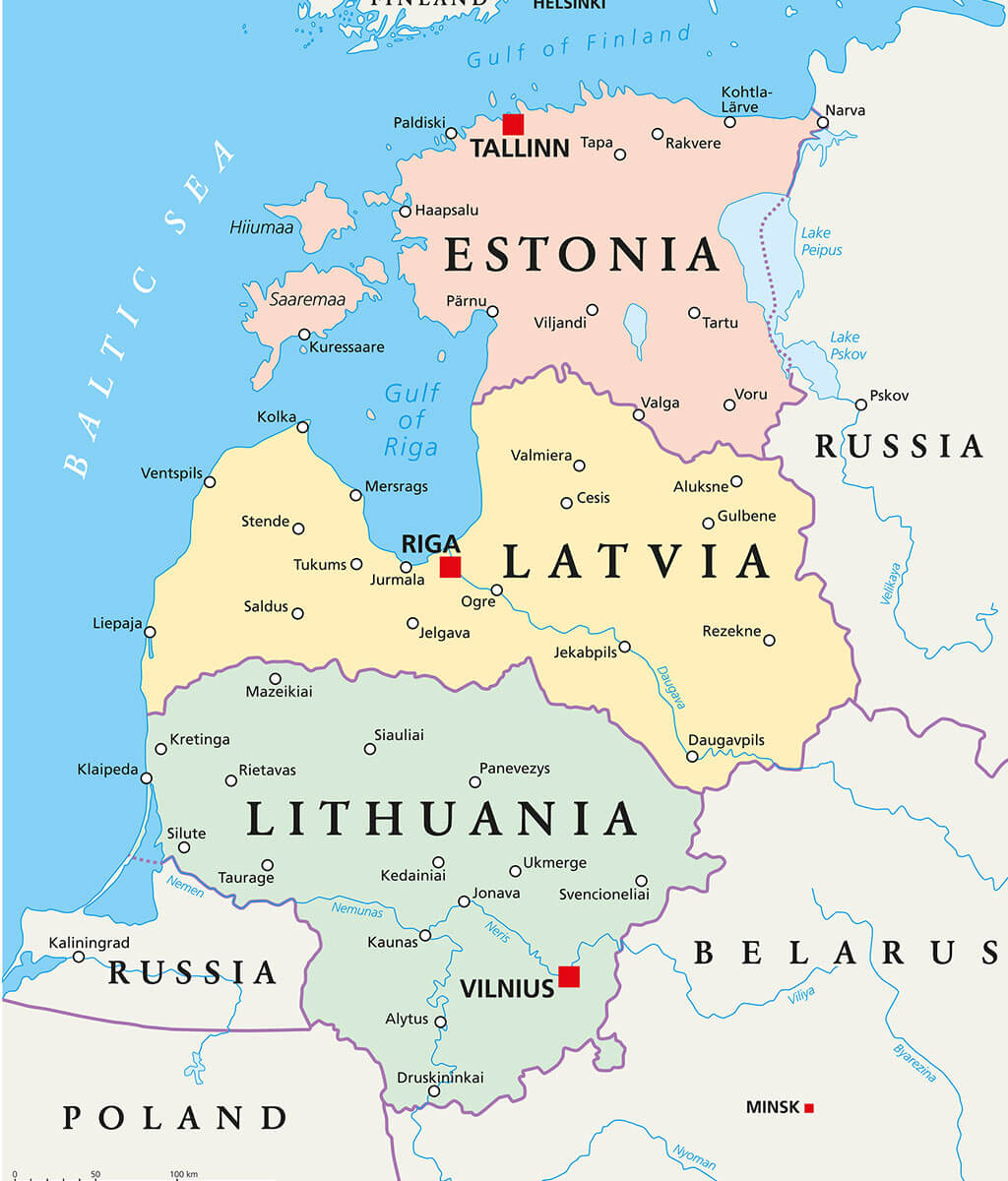
Baltic states include former USSR but current European Union and NATO members of Estonia, Latvia and Lithuania. Of these Latvia in particular has a special place in Russian mythos.

Russians tend to view Baltics as basically Europeans. The fact, that they use Latin alphabet as well as follow Catholic or Lutheran Christianity as the opposite to Cyrillic alphabet and Russian Orthodox Christianity in Russia itself adds to this perception.

From Russian point of view, Europe and the West in general is like these three. Something these countries themselves do like to take pride of, despite some skepticism in some parts of Europe.


Russian attitude towards the Baltics and via them, towards the West as a whole, is a combination of envy and hatred. In part Russians envy a quality of life, organization and civilization these could achieve. Some want to be like them, to westernize and better themselves. 

The other part of country instead hates them for doing better than Russians themselves are, they see Baltic people as arrogant snobs who look down on Russia and hate everything Russian. This stereotype is supported by Russian media, However Baltic people themselves sometimes fit this stereotype with their own effort. 

Latvia

Of Baltic states, Latvia is the most familiar to Russians. Latvia fits Russian stereotypes better than the other two, so it gets more attention from Russia.

People in Russia typically heard of total of three cities there: Riga, Jurmala and Daugavpils. Some would visit Riga for architecture sightseeing or Jurmala for a Russian music festival.

Russians like to think that Latvians are basically Germans and Latvia is little Germany on Baltics. On that Latvians would like to agree with them, even though they would disagree on many other issues.

Russia hates Latvians for being Nazi even more that they hate Germans themselves for the same thing. Latvians in turn hate Russians for occupation and annexation of their country.

Before there were Nazi in Ukraine there were Nazi in the Baltics. 

Conflict between Russophone people and the native Latvians over language rights is often extensively covered in Russian news. Russian news often portrays attempts of Latvian Government to reduce Russian language presence in Latvia as Nazism, discrimination and Russophobia to fuel anti-Western sentiments in Russia itself. Latvian government just keeps doing its thing, thus keeping the hate going. 

I would not be surprised if Russian government is actually encouraging them to do it for their own propaganda objectives. After all someone has to produce some evidence of Western Russophobia for Kiselev's TV shows, otherwise he will sound like some conspiracy theory loon. Lativa seems like the guy for a job.


Estonia

Russians tend to view Estonia as simply Lativa 2.0. 

Around half of what I have written about Lativa applies here as well, but to a lesser degree. Same conflict between Russophones and native Estonians. Same occasional appearances in Russian propaganda, like over that Bronze Soldier incident and protests.

However, people know little about Estonian cities, culture and such. Much fewer visit the country. Overall, this country fits the propaganda stereotype much less than Latvia does, so Russian propaganda do not feature it as much. 

One thing that only applies to Estonia and not to Latvia is Russian jokes about them being very slow. There are similar Russian jokes about Finns as well. Thus, at least Russian humor connects Estonians to Finns rather than Latvians and Lithuanians.


Lithuania

Latvia 3.0, hardly a surprise.

In fact, people of Russia know surprisingly little about this last Baltic state. It fits stereotypes the least, so Russian information space simply gloss over it by lumping it together with the other two Baltic states.

Compare to that West seems to know and understand Lithuania a lot better than any other post-Soviet states. You might even say that they view post-Soviet space through the Lithuanian lenses. From Western perspective Lithuanian experience is most simple to understand. However, that too is misleading.

Lithuania manages to be the most understood post-Soviet state for an American and least understood post-Soviet state for a Russian at the same time.


In actuality Lithuania is the most functional nation of all Baltics and even the whole post-Soviet space. You might even call them the only post-Soviet nation, as all the remaining ones are much more confused and divided internally. Read my other article about nationhood. Not even Russia itself has the same level of national cohesiveness: understanding of shared fate and desire to fight for their future as a group.

Partly that has to do with the fact that unlike Latvia and Estonia, Lithuania was actually its own independent nation once, a big one at that. Back in the days, they managed to create an effective army to fend off both Teutons and Mongols, a well renown warriors of their times. Together with Poland, they even managed to defeat Teutonic Order for good. They expanded and eventually became the biggest country of their times, they territory included all modern Belarus, around half of Ukraine and some parts of modern Russia. Later Lithuanians entered union with Poland, at first, they prospered together but then perished together with them during the partitions of Poland.

Another reason is that ethnic Russians here are only second biggest minority after Poles. Both are only around 7% of total, unlike Latvia where they are around 40%. Because of then society is not divided between native Lithuanians and Russophones as much as in Latvia and Estonia.

Unlike Latvia and Estonia, Lithuania did not bother with non-citizen status for Russophones, just giving citizenship to everyone. Because of that it is not featured in Russian news over the language issues, cementing its status as the most obscure Baltic state.

Being first to declare independence, secede from USSR and get diplomatic recognition, Lithuania became somewhat of a go to contact point on post-Soviet issues in the West. Lithuanian politicians received Freedom Awards from the US. They also often play an active role in various post-Soviet issues. Lithuanian politicians participated in Ukrainian issues ever since Orange Revolution and may be even before.


Final words 


I will continue this series with a separate article about other post-soviet groups and then other nations, such as UK and the US later. This one got so long already.

Thursday, December 21, 2023

How Medieval Society Worked

Only every nobleman: baron and above (viscount, count (Earl), Marquess, Duke, Prince, King, Emperor) had a Coat of Arms

UK still has a system of rules of who was entitles to Coat of Arms as well as register of all of them.
These are modern hereditary peers. House of Lords members. I think life peers are also entitled to Coat of Arms. There are 700 something of them in total.

To give you an idea how many of them there were. Earl of Count is a ruler of county. Both the UK and the US states are divided into counties, so you can count the total number of them. Each would be headed by an Earl with a Coat of Arms. Under Earl there will be number of Barons, each running a Manor in the county.

Manor is a medieval farming organization. Modern farming done by a single family with the help of machinery. However, in Medieval times, Manor lords only supervised the farming and actual labor was done by peasants.

However, being Lord of Manor was more of a reward for them.

Their real job was to be a low tier military commander. Somewhat of an NCO equivalent. They had to have military training and use income to maintain their military equipment and a horse. They also had to maintain a number of knights and their equipment as well. Together they were like a fireteam or a section of medieval army.

All nobility and knights were heavy cavalry, dudes in full plate armor, with lance on armored horses. Peasants were sometimes used as other types.

Earls and Dukes were higher tier commanders, captains and colonels maybe. Medieval army had less ranks compare to modern one. Kings were like generals.

How Quartered Designs on Various Coat of Arms Came to Be

Quartered designs, that people imitate so often, come not from single time intentional design, but from mergers and such.

Two individual places had a simple flag each that followed rules of tincture and such. Then they merged and now symbols of each had to be displayed together so that everyone knows this is an army or person of united kingdoms, duchies or counties.

More ordinary personal example of this approach is hyphenated family. Both surnames were considered important enough to create new hyphenated one. Family of Johnsons merged with Morrisons. Their descendants were hence known as Johnsons-Morrisons

One well documented example is the UK. England used to have a simple red cross on white. Scotland simple white saltire (x-cross) on blue. However when Scotland and England united into United Kingdom, each place wished for their symbol to be on the united flag. At first they simply depicted them side by side, like in this article.

In the UK they eventually came up with more aesthetically pleasing version of the flag. Now iconic Union Jack. In many other places the resign remained as hyphenated as before. Some times adding more and more mergers.

The worst example would be Coat of Arms to two Sicilies. The bearer of this basically claims to be a descendant of everyone under the sun. Almost like John James Washington-Lincoln-Roosevelt-Reagan-Bush-Clinton-Trump-Obama-Stalin-Tsedong-Genghis-Temur-Ceasar-Moses. 

Notice a presence of golden cross on white, the symbol of Crusader era Kingdom of Jerusalem. Rulers of Two Sicilies unironically claimed to be Kings of Jerusalem as well many other places all over the Europe.

Wednesday, December 20, 2023

LNP Party Room Problem

When Liberal and National parties of Queensland merged into one party, it created a peculiar problem for The Coalition. That is a party room distribution. 

Liberal and National MPs each have their own separate party rooms, they do not have joint Coalition Party Room. Thus, only MPs of their respective parties participate in all important internal governance of their parties: National MPs do not vote on leader of Liberal Party and Liberal MPs do not vote on leader of the National Party. 

That used to limit radical far right MPs influence on politics. Sure, Nationals do get some portfolios, but they have no say over who gets any portfolios on Liberal side of Coalition, or who will be new Liberal leader.


However, when LNP was created, instead of getting their own party room, they made a peculiar arrangement with the Federal parties: 2 out of 3 LNP MPs will be in Liberal Party room and the remaining one out of 3 in National Party room instead. 

That shifted the power balance in Liberal Part room far to the right. A lot of rural MP, who would have been in National Party room under old arrangement, were now in the Liberal Party room instead. That affected preselection of leaders in the Liberals. Suddenly radicals such as Tony Abbot or Peter Dutton could become leaders of this otherwise moderate party.


Because of that, the Australian politics overall shifted far to the right. What used to be fringe rural sentiments now suddenly seeped through to the mainstream. In fact, the whole mess of the 2010s should be blamed on this subtle party room arrangement.


The solution to this problem will be to replace this arrangement with something that reflects reality better. One solution is all rural LNP MPs sit with the Nationals and only urban with the Liberals. The other one is LNP is getting its own party room, elects its own leader who becomes second deputy PM if coalition wins, and they get some agreed on portfolios, just like Nationals currently do.


I do hope this will be solved, the sooner the better.

Why Negotiations in Modern Wars are Pointless

Nowadays because of American midterms we hear more and more about negotiations to end War in Ukraine. In fact, we kept hearing negotiations ...